The maximum pressure playbook, updated
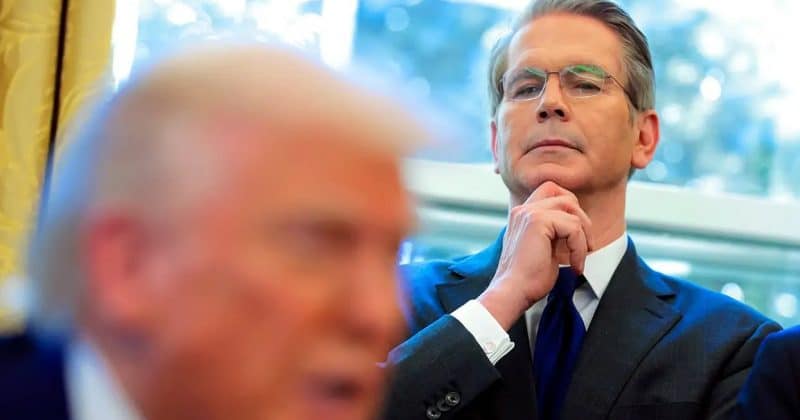
Bessent’s warning fits neatly into the administration’s renewed “maximum pressure” campaign against Iran. China remains the dominant buyer of Iranian oil, absorbing a substantial share of the country’s exports. But the Treasury’s latest posture is aimed squarely at the non-Chinese buyers, the smaller players who might think they can quietly slip Iranian barrels into their supply chains without Washington noticing.
Secondary sanctions, the kind that punish foreign entities for doing business with sanctioned regimes, carry real teeth. Banks that facilitate Iranian oil transactions face potential cutoffs from the US financial system. Non-Chinese buyers are growing cautious, stepping back from Iranian crude rather than risking the wrath of OFAC, the Treasury’s Office of Foreign Assets Control. This dynamic further concentrates Iran’s remaining oil trade with Beijing, giving China even more leverage over Iranian supply and pricing.
Crypto crackdown as the second front
Under what’s been dubbed “Operation Economic Fury,” the US Treasury has seized approximately $1 billion in crypto assets linked to Iran.
On June 2, OFAC sanctioned Nobitex along with three other Iranian digital asset platforms, accusing them of helping the regime sidestep financial restrictions. The move effectively blacklists these exchanges from the global financial system and makes it illegal for US persons to transact with them.
What this means for markets
As non-Chinese buyers pull back from Iranian crude, countries and companies that previously sourced cheap Iranian barrels will need to find alternatives, potentially pushing them toward more expensive suppliers in the Middle East, Africa, or the Americas.
In crypto markets, the seizure of $1 billion in Iranian-linked assets and the sanctioning of four exchanges should serve as a wake-up call. When OFAC designates a new entity, any tokens or assets associated with that entity can become effectively untradeable on compliant platforms.


